

Select the Corresponding Sander Series According to the Processed Panels
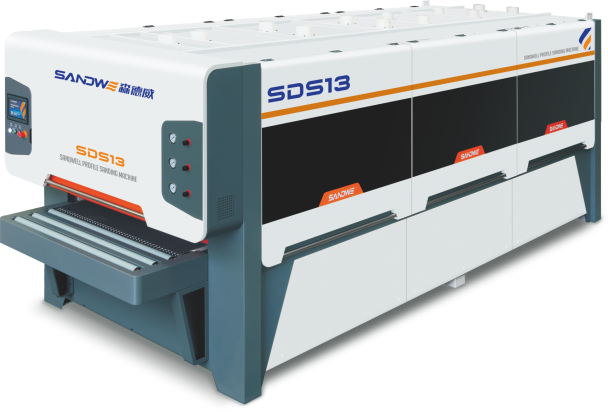
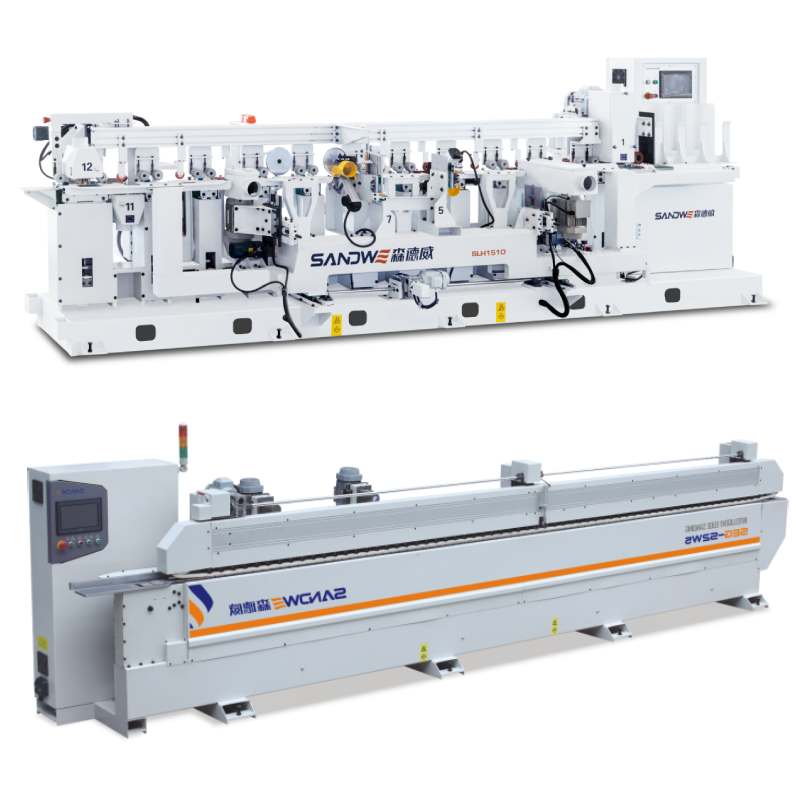
Panel processing requires choosing the right sander series. Flat sanders suit large, flat panels like doors and tabletops, with a wide working area for smooth sanding operations. Edge sanders are for precise edge treatment on door , cabinet panels and other panel. Four - sided sanders are best for sanding long, four - sided wooden moldings,Ensure that the flatness and smoothness of all surfaces are consistent to meet different decoration and usage requirements.
Our sanding machine are highly versatile and can be applied to a wide range of wooden panels and furniture parts, including solid wood, MDF, plywood, melamine - impregnated paper veneer, and thin wood veneer. They are also suitable for primer sanding. For large - area panels, we recommend the CNC Plane - Profiled Sanding Machine. When it comes to panel edges, the Edge Sanding Machine is the go - to option. And for four - sided moldings, the Linear Profile Sanding Machine or Four- Side Milling Angle Sanding Machine offers excellent performance. Should you require further information, please do not hesitate to reach out for consultation.
I. Meticulous Selection of Abrasives and Consumables
As one of the core elements for a sander to achieve efficient sanding, the selection of abrasives and consumables directly affects the sanding effect and product quality. Common abrasives on the market include sandpaper, sanding belts, grinding wheels, etc. Each type of abrasive has its unique performance characteristics, and multiple factors need to be comprehensively considered during the selection process.

II. Performance Parameters of Sanders
1) Speed Regulation: Speed determines sanding efficiency, and CNC is crucial. High speeds boost cutting but hasten equipment wear, raise energy use, and risk workpiece overheating and warping. Choose a speed by weighing workpiece hardness, sanding needs, and equipment capabilities. For soft wood, a higher speed may work, while hard metals require a lower one to guarantee quality.
2) Workbench Size and Load - bearing Capacity: The workbench size sets the max workpiece spec the sander can handle, while its load - bearing capacity impacts stability during heavy - workpiece processing. For large panels or heavy pieces, choose a sander with a roomy, sturdy workbench. Also, the workbench's flatness and wear - resistance affect sanding accuracy and its lifespan, key factors in selection.
3) Dust Collection System: Sanding generates substantial dust. Uncollected dust pollutes, risks health, and impacts equipment and workpiece quality. An efficient dust collection system, with key parameters like air volume, pressure, and filtration efficiency, clears dust promptly, safeguarding environment and equipment. Opting for an easy - to - clean and maintain system cuts costs and workload.
4) Transmission System and Stability: The transmission system of a sander impacts its stability and sanding precision, influencing the abrasive - workpiece interaction. When choosing, check the transmission design and component quality, like belt tension and chain durability. A stable system boosts sanding quality and equipment lifespan.
After screening theoretical specs, on - site checks and test runs are crucial. Visiting the factory or exhibition helps assess the machine's appearance, operation, and key parts. It also enables tech - support discussions. During the trial, load a workpiece, monitor sanding results and stability, adjust speed to find the best process, and gauge ease - of - use. This comprehensive approach ensures accurate sander selection for efficient production and better product quality.